
The history of the museum’s creation
Vincent Van Gogh maintained the closest relationship throughout his life with his brother, Theo. Theo supported Van Gogh while he was alive and inherited all of his works after the artist’s passing.
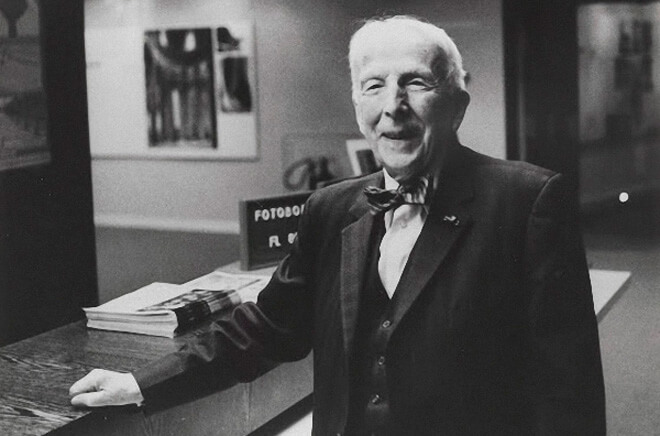
The key caretakers of Van Gogh’s works were Theo, Theo’s wife Johanna, and Vincent’s nephew Willem. They initially displayed Van Gogh’s paintings on the streets, allowing people to see and appreciate the genius of the great artist. Later, Willem successfully secured permission to build the museum that has become renowned worldwide today.
The Van Gogh Museum officially opened its doors in 1973.
After the museum’s inauguration, Willem decided to create a panoramic collection that would include not only his uncle’s works but also pieces by other prominent artists.
As a result, the Van Gogh Museum in Amsterdam now features works by artists such as Théodore Rousseau, Jules Breton, Monticelli, Léon Lhermitte, and many more.
Over time, the museum acquired more and more of Vincent Van Gogh’s paintings. Thematic exhibitions, showcasing hundreds of works by renowned artists, also became more frequent.
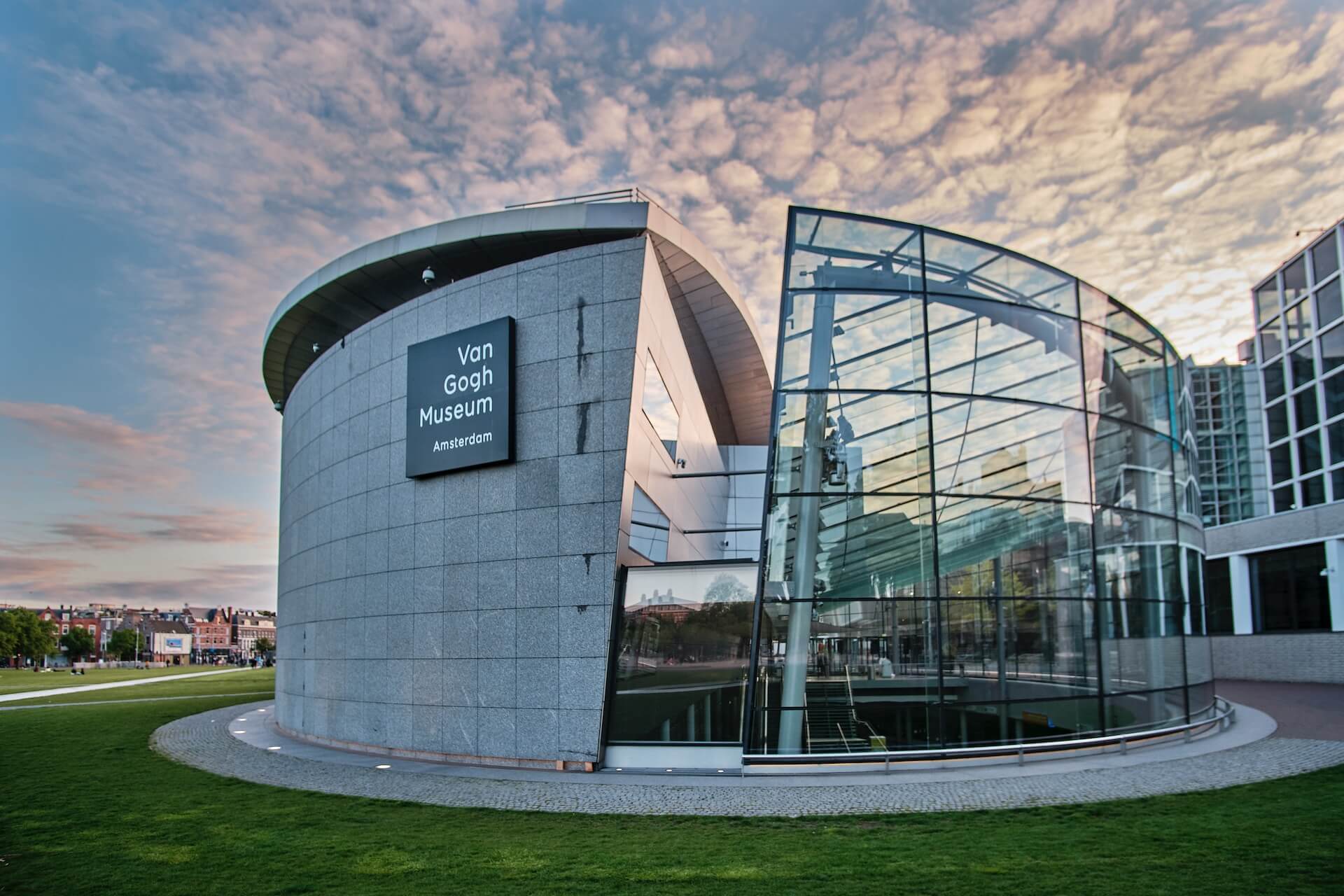
The growing collection eventually required the museum to expand. In 1999, an extension was added to accommodate the increasing number of exhibits. The funding for this modernization, as well as for the purchase of new works, came from Van Gogh’s foundation and the museum shop.
Today, the museum houses a permanent collection that offers visitors an intimate look at Van Gogh’s life. Each phase of the artist’s journey is accompanied by paintings that vividly illustrate his triumphs and struggles.
In addition to his artwork, the museum also displays Van Gogh’s letters and personal belongings.
The Key Custodians of Van Gogh’s Works
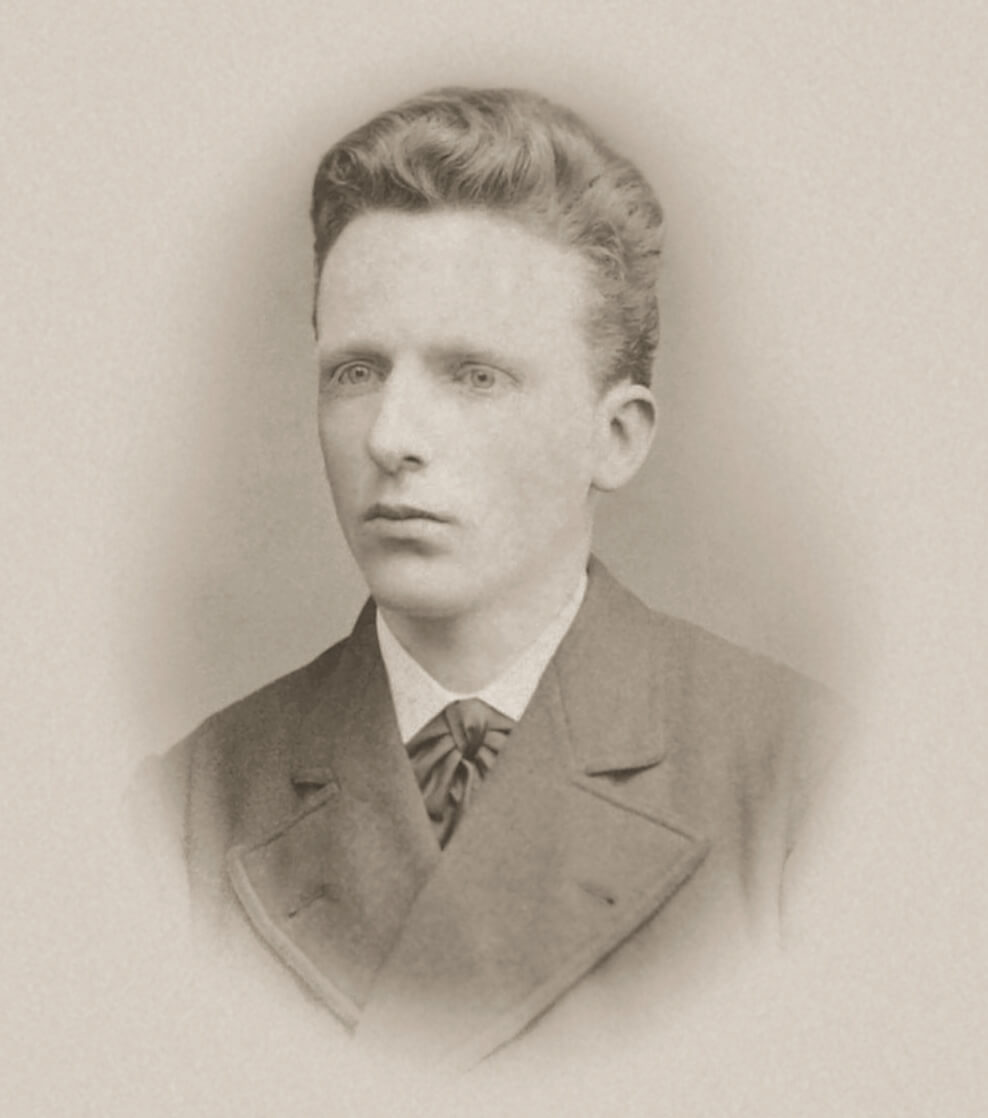
Theodorus (Theo) Van Gogh
Vincent Van Gogh’s brother
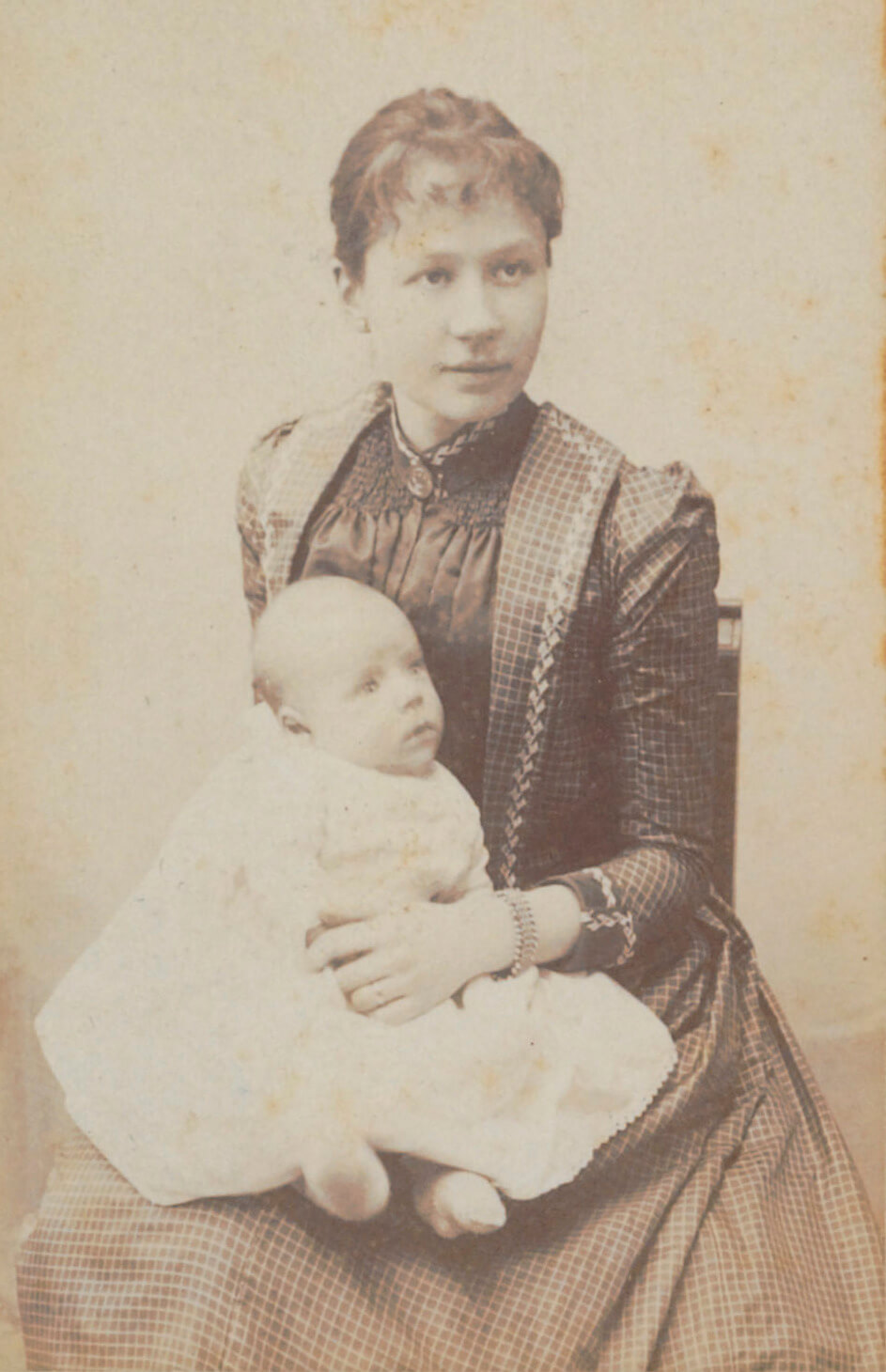
Johanna Gezina Van Gogh-Bonger
Theo Van Gogh’s wife
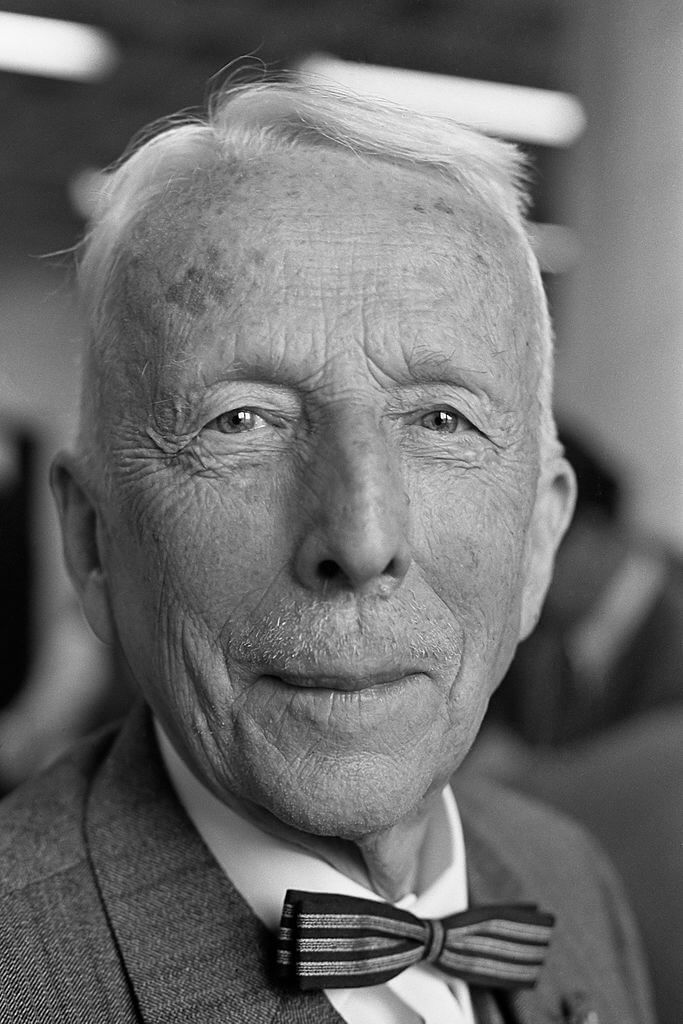
Vincent Willem Van Gogh
The artist’s nephew