The museum’s exposition
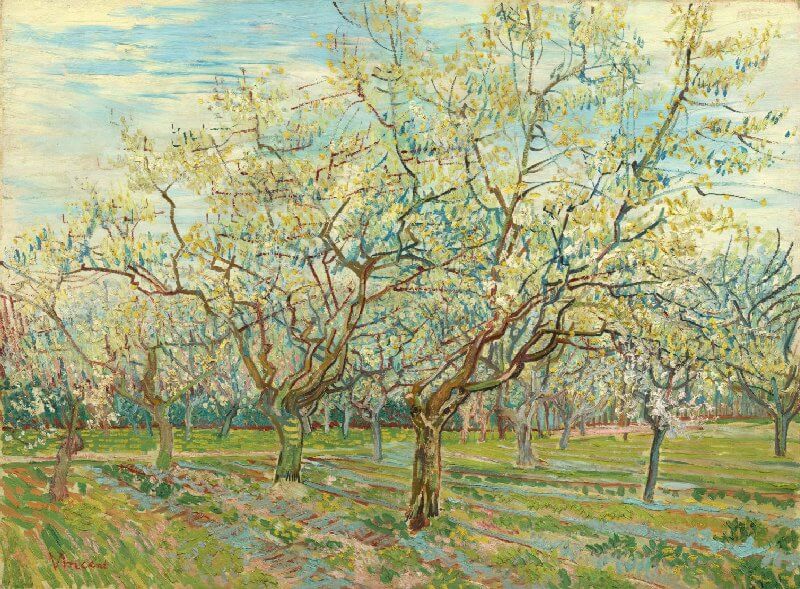
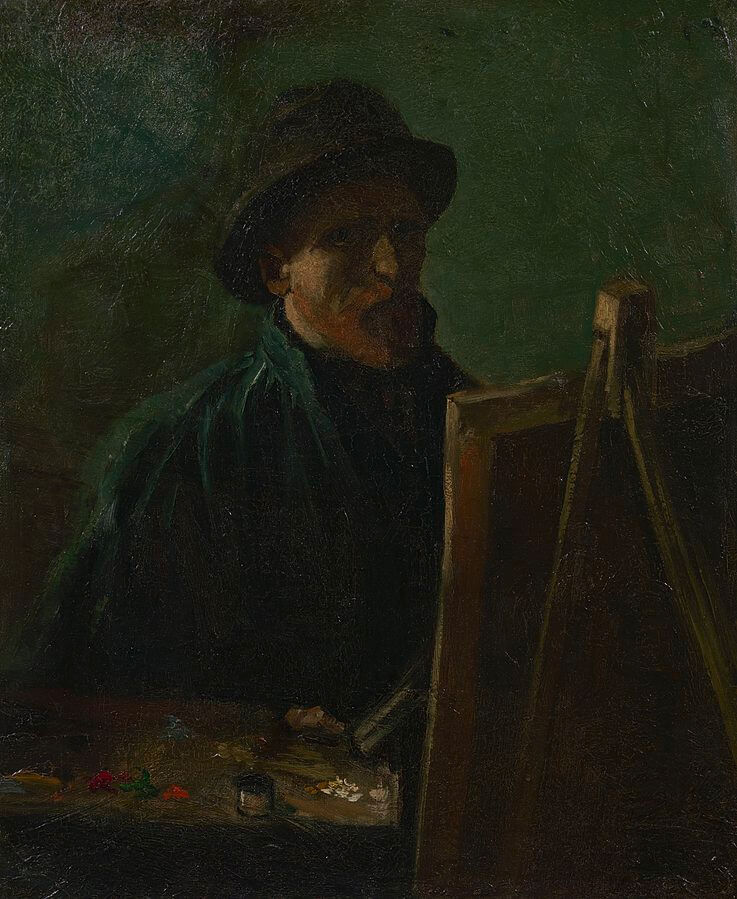
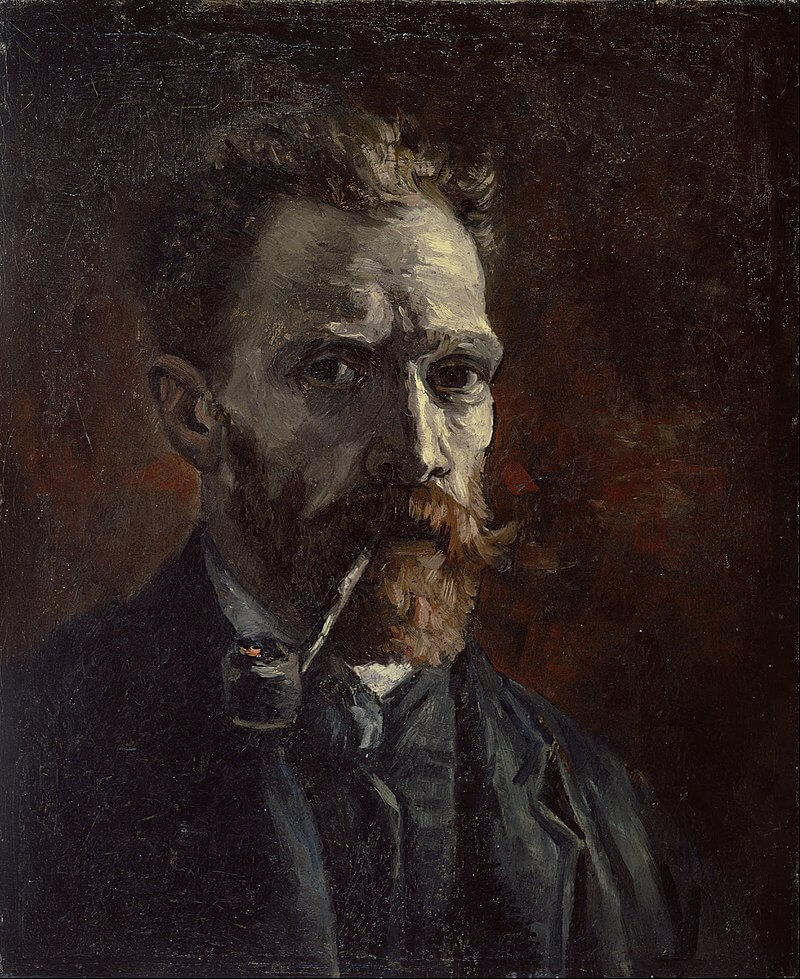
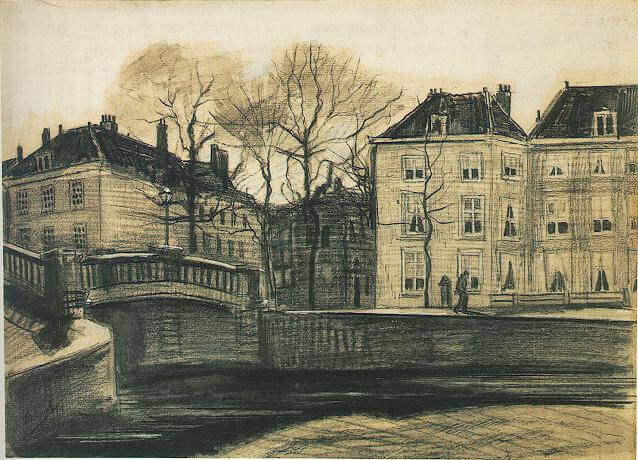
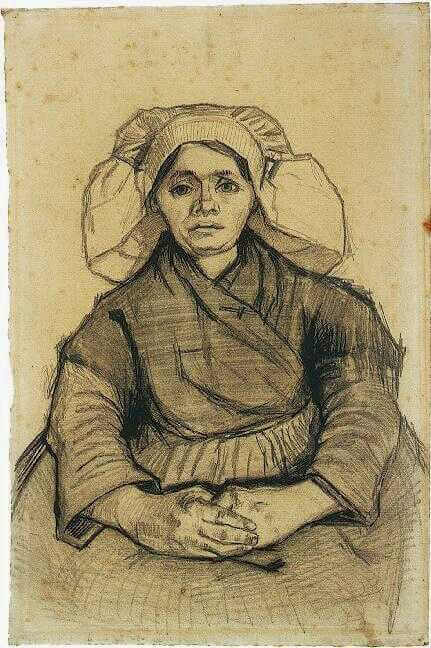
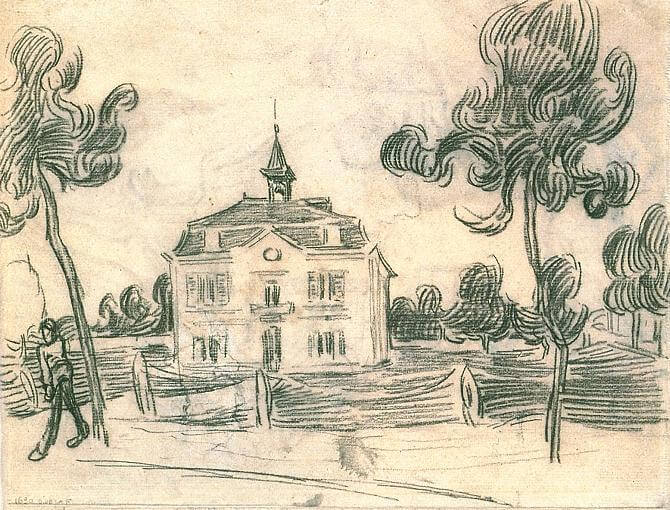
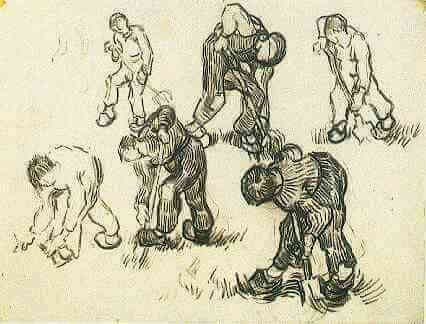
In addition to exhibitions of works by other artists, the museum features a permanent collection dedicated to the life and work of Vincent van Gogh. The exhibition is divided into five sections, each representing a distinct stage in the great artist’s life.
The main exhibition provides insight into the different facets of Van Gogh’s life and artistic journey. The collection includes many of the artist’s most famous works.
The museum also organizes exhibitions focused on 19th-century art history.
The museum’s exposition consists of more than 200 paintings, 400 drawings and 700 letters by the artist.
The Early Artistic Journey
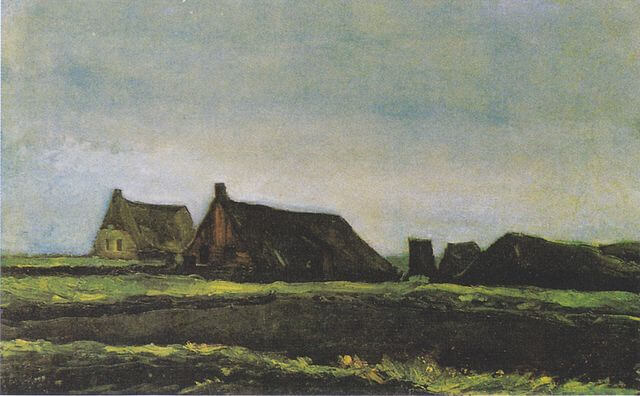
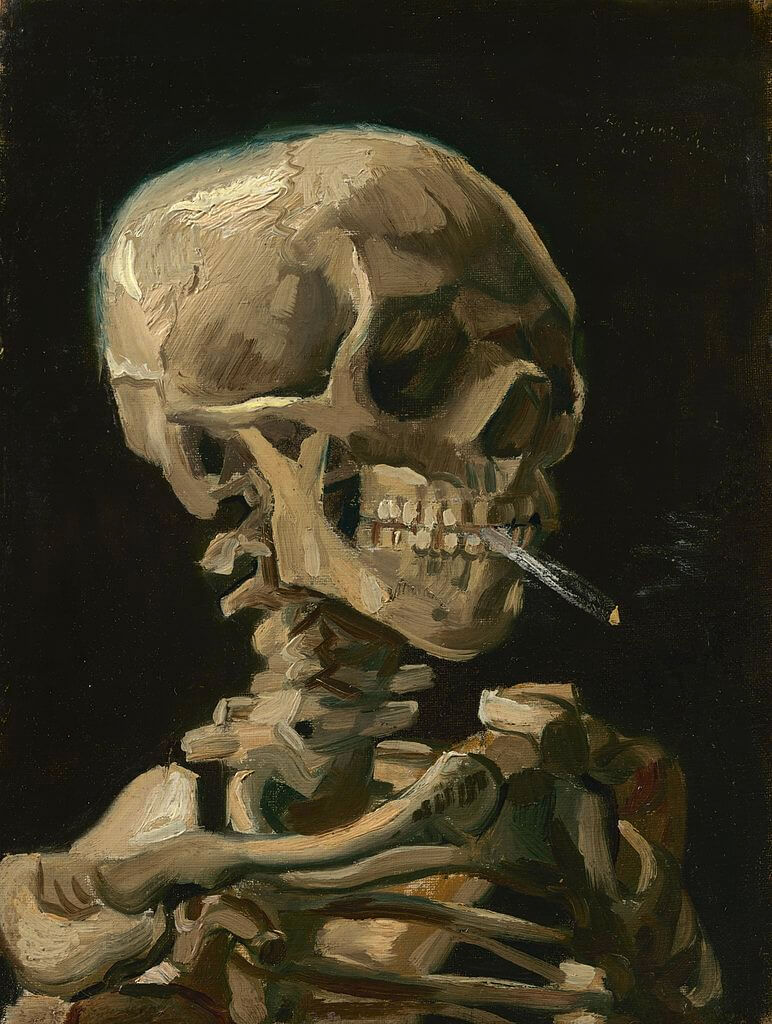
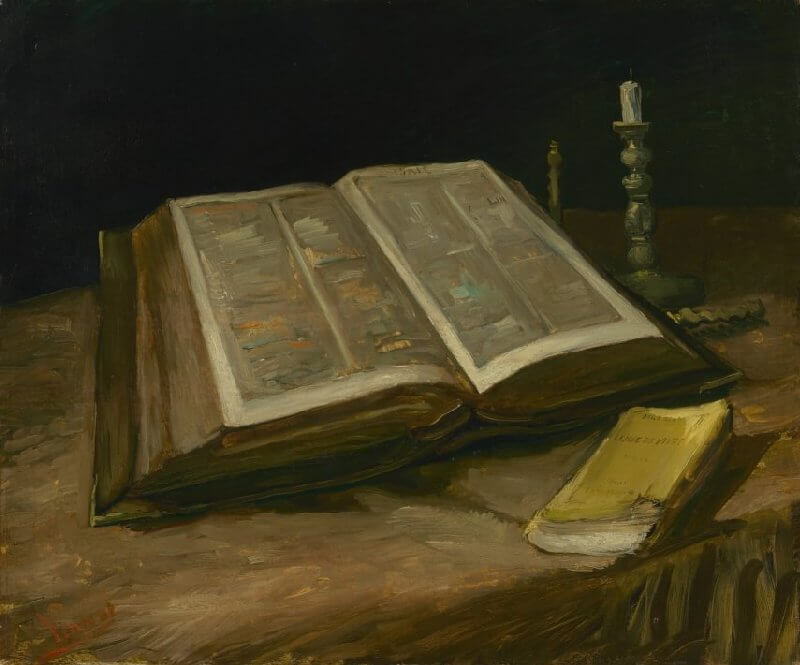
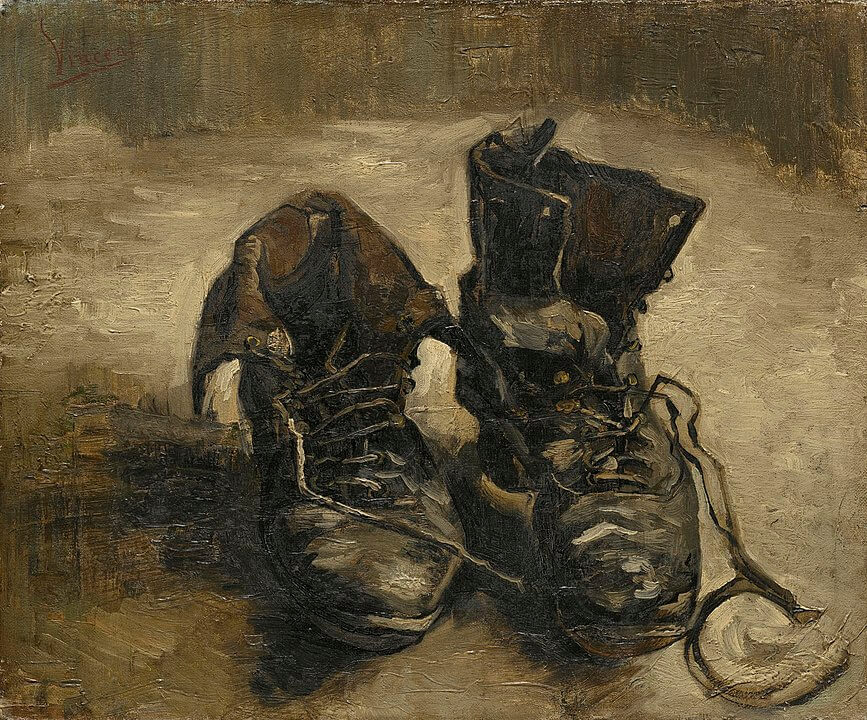
Vincent van Gogh began his career painting scenes that reflected the life and hardships of ordinary peasants. He used dark tones to convey feelings of oppression and pessimism.
Iconic works from this time include:
— “Cottages”
— “Skull of a Skeleton with Burning Cigarette”
— “Still Life with Bible”
— аnd many others
Paris – the capital of Art
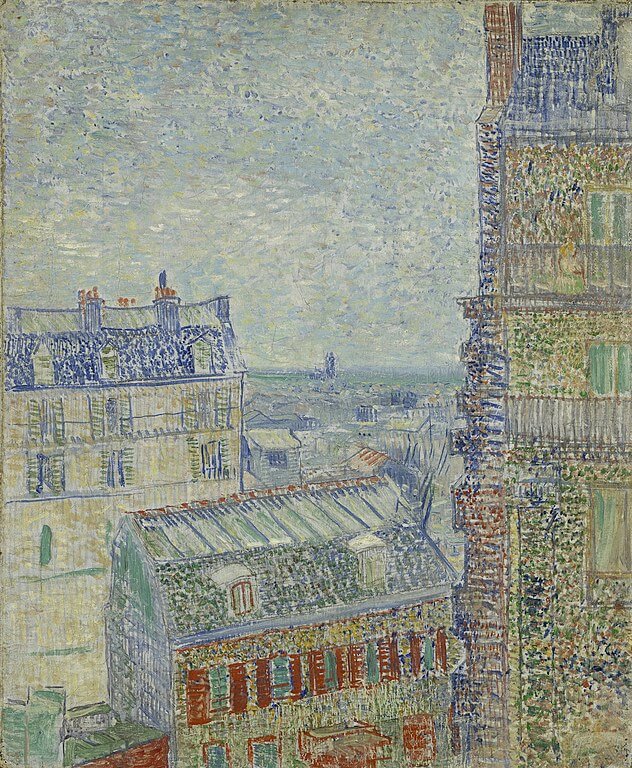
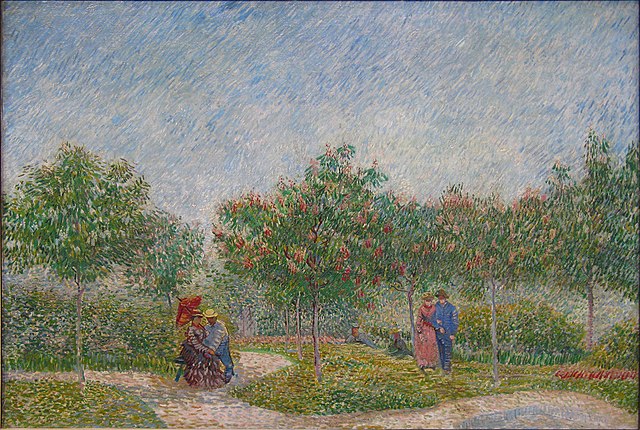
This stage marked a significant transformation in Van Gogh’s style. He encountered numerous contemporary and emerging artists in Paris.
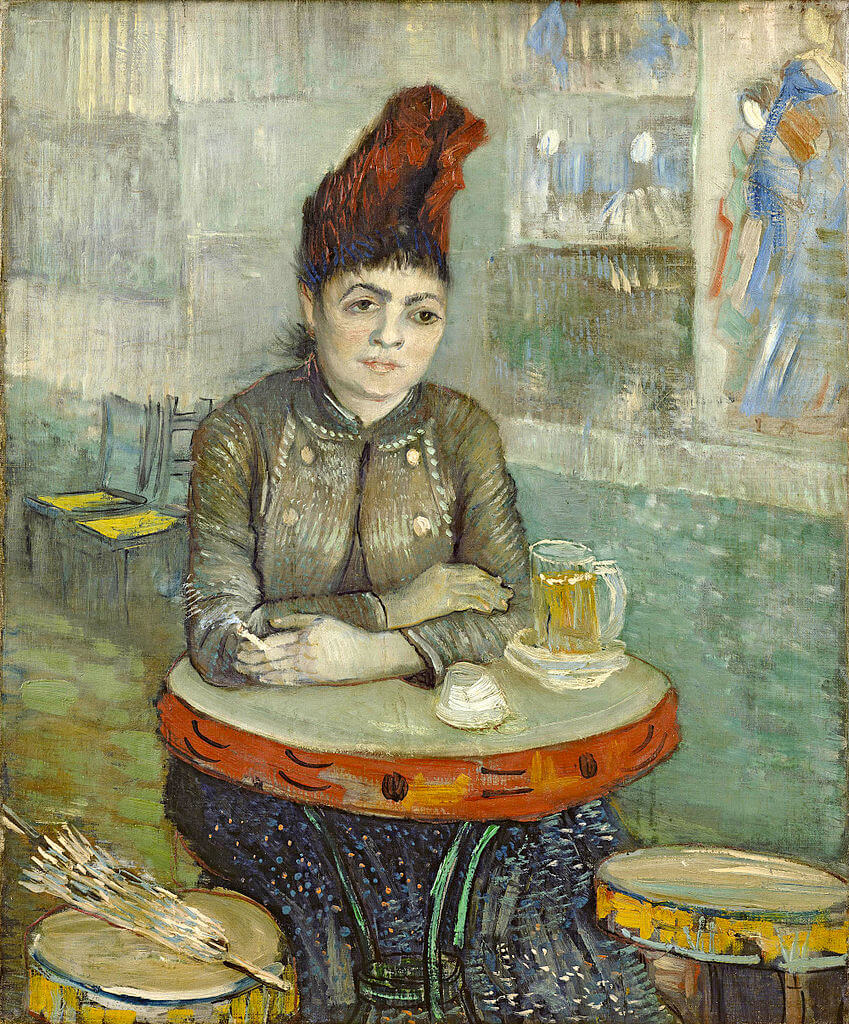
These meetings and experiences brought warmth and lightness to his work, as bright tones began to dominate his palette.
Notable works from this period include:
— “Agostina Segatori Sitting in the Café du Tambourin”
— “Wheat field with a Lark”
— “View from Vincent’s Room in Paris”
— “Couples in the Voyer d’Argenson Park at Asnières”
Life in Arles
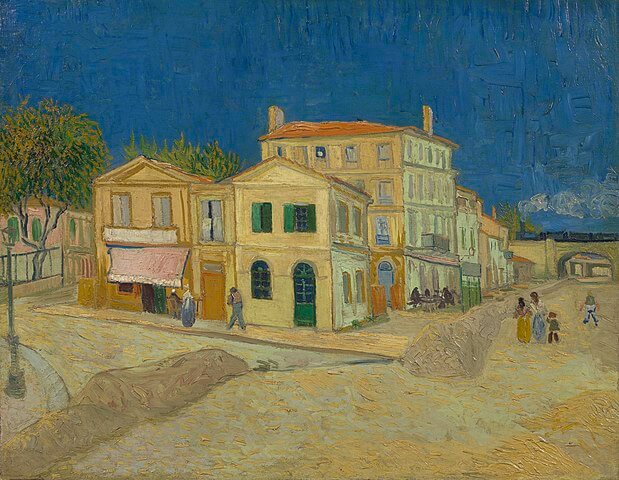
During this period, Van Gogh developed a deep connection with the surrounding nature. He focused primarily on landscapes, fields, and trees, moving away from painting portraits.
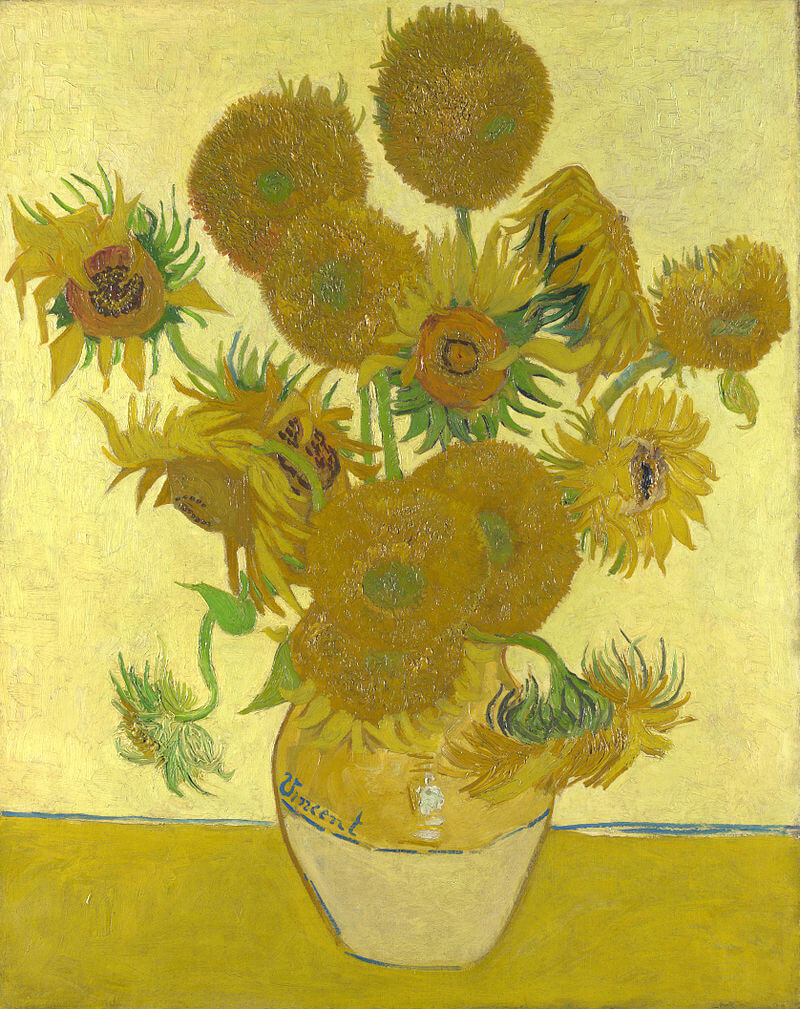
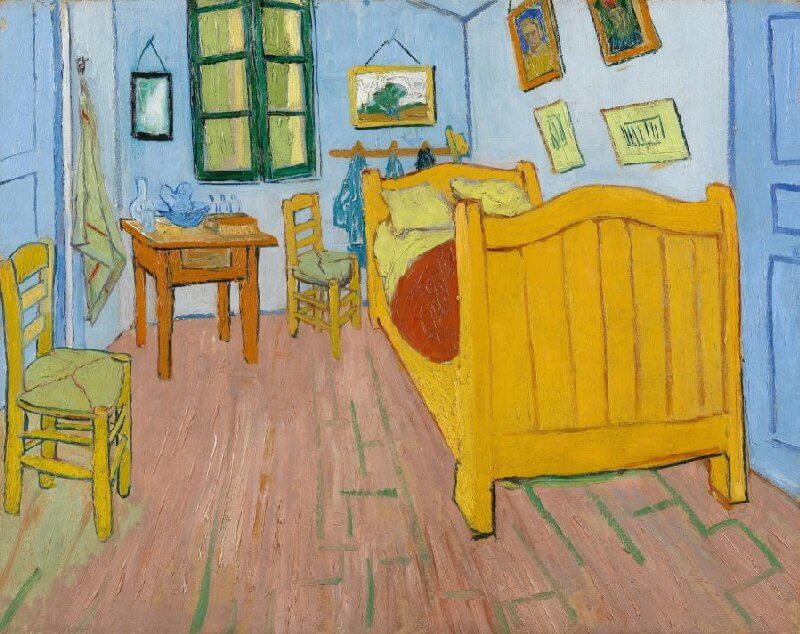
Some of his most iconic works from his time in Arles include:
— “Bedroom in Arles”
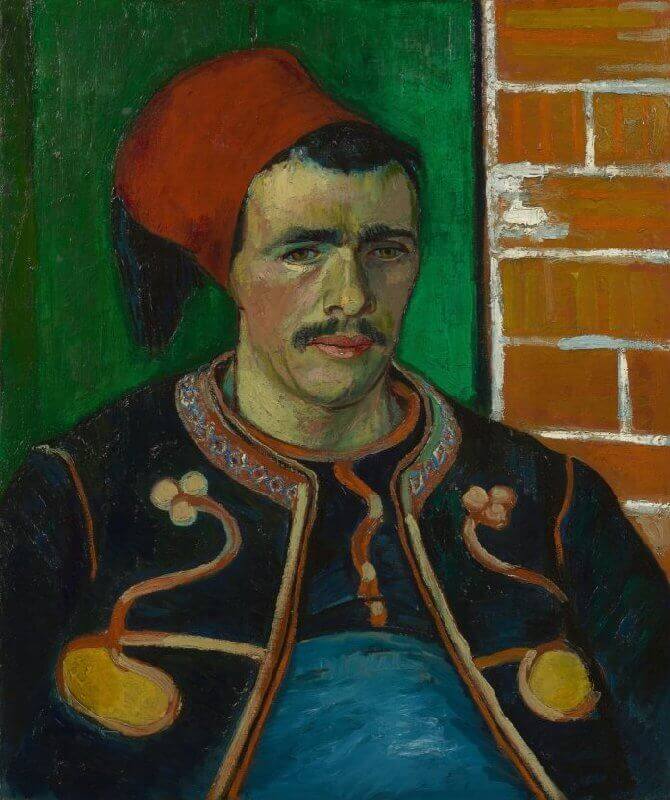
— “The Zouave”
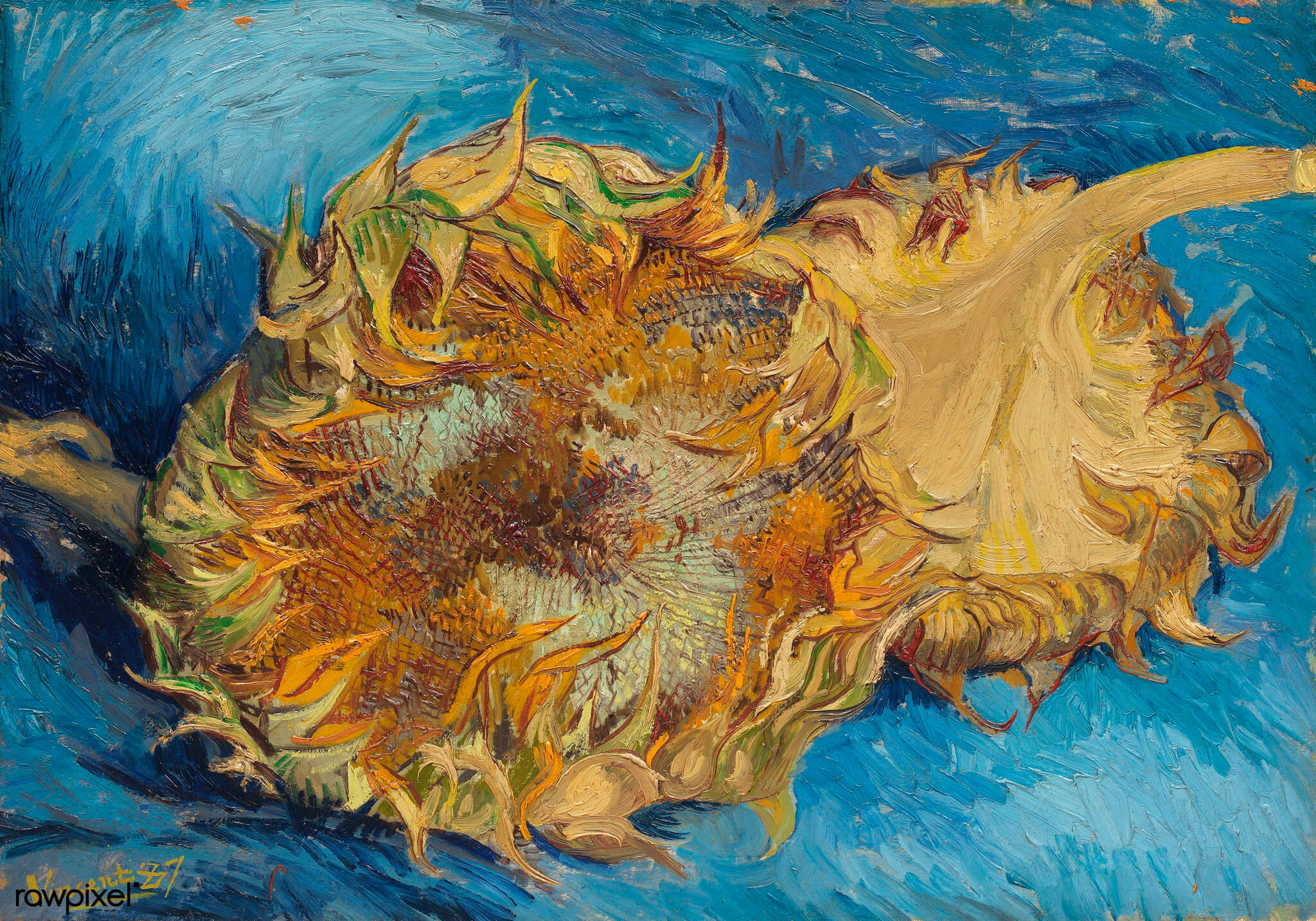
— “Sunflowers”
— “The Yellow House”
Saint-Rémy-de-Provence
At this stage of his life, Van Gogh was admitted to a mental health clinic. However, the doctors encouraged him to continue painting, considering it the only activity that could sustain his spirit.
Most of the works from this period are inspired by the objects that surrounded him:
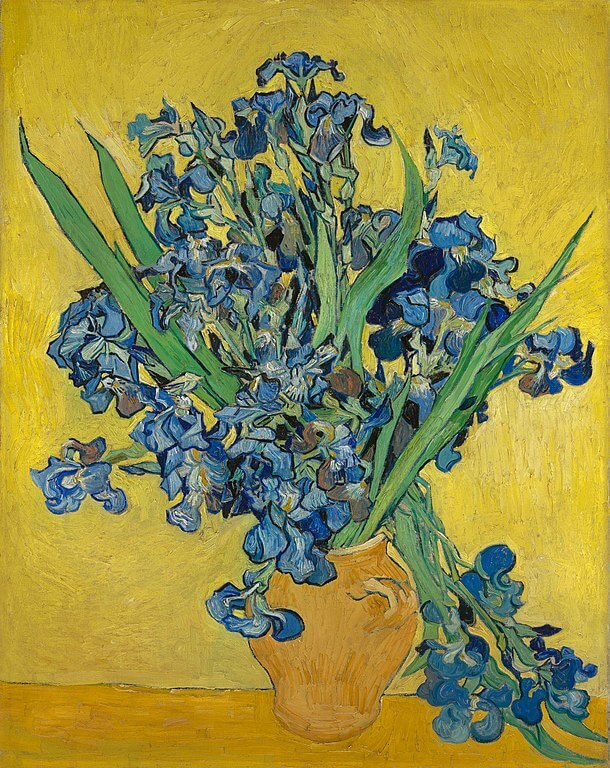
— “Still Life: Vase with Irises Against a Yellow Background”
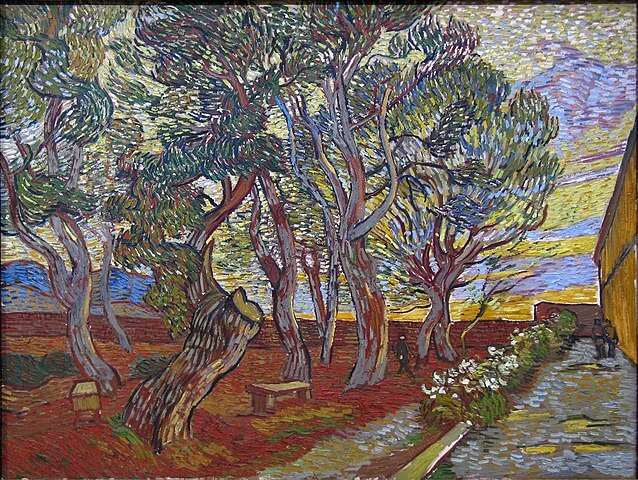
— “The Garden of Saint-Paul Hospital”
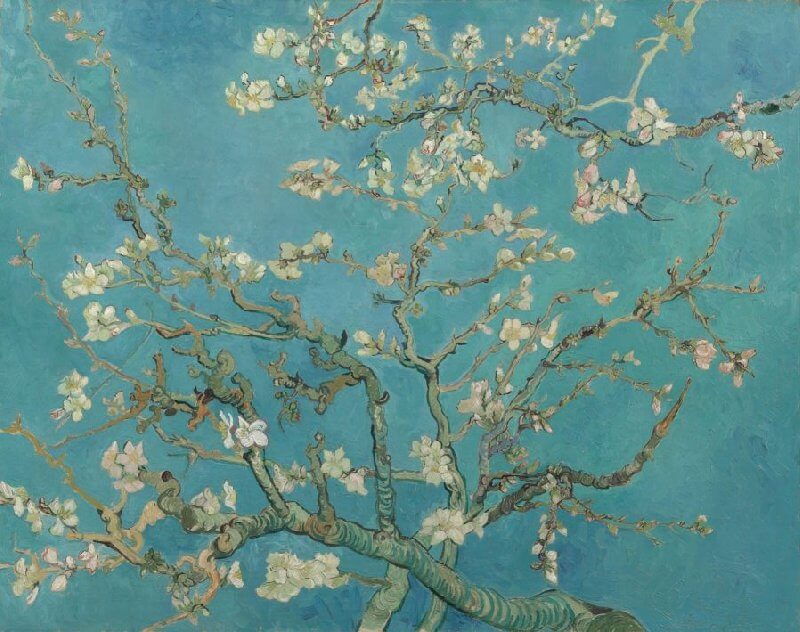
— “Almond Blossoms”
Auvers-sur-Oise
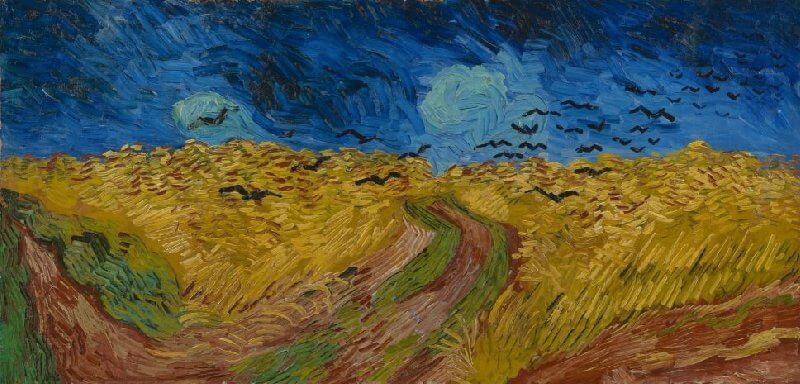
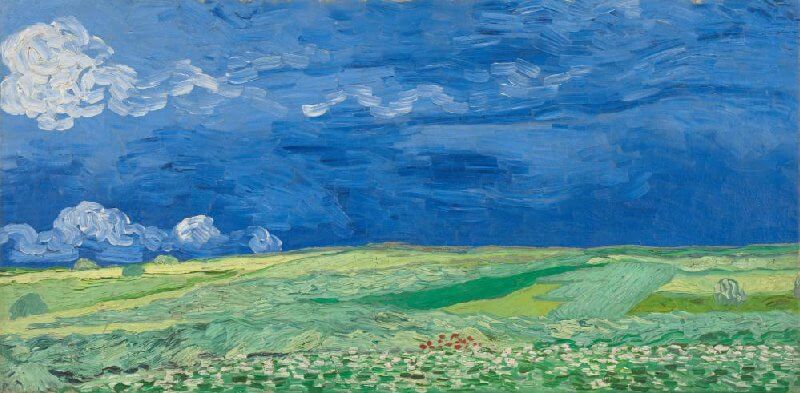
In the final stage of his life, Van Gogh employed exceptionally vivid colors. Notable works from this period include “The Cows, after Jordaens”, “The Church at Auvers”, “Still Life: Red Poppies and Daisies”.
One of the last paintings of his life was the poignant “Wheatfield with Crows”
Examples from the Collection